Duplex S32205 plates combine two microstructures in one sheet: austenite for ductility and ferrite for strength. Because of this combination, procurement engineers switch to this grade once 316L starts rusting in chloride-heavy service.
Conventional austenitic stainless steel handles general industrial duty well, but it struggles as chloride levels, temperature, or mechanical load climb. Duplex 2205 closes that gap, with yield strength close to double 304 or 316L and resistance to pitting and stress corrosion cracking that holds up in seawater, brine, and acidic process streams.
Oil and gas operators, chemical processors, marine engineers, and desalination plants specify this grade for one reason: fewer replacements. This article covers what Duplex S32205 plates are, their properties, benefits, where they get used, which industries benefit most, how they resist corrosion, how they compare with SS 316, and what to check before ordering.
What Are Duplex Steel S32205 Plates?
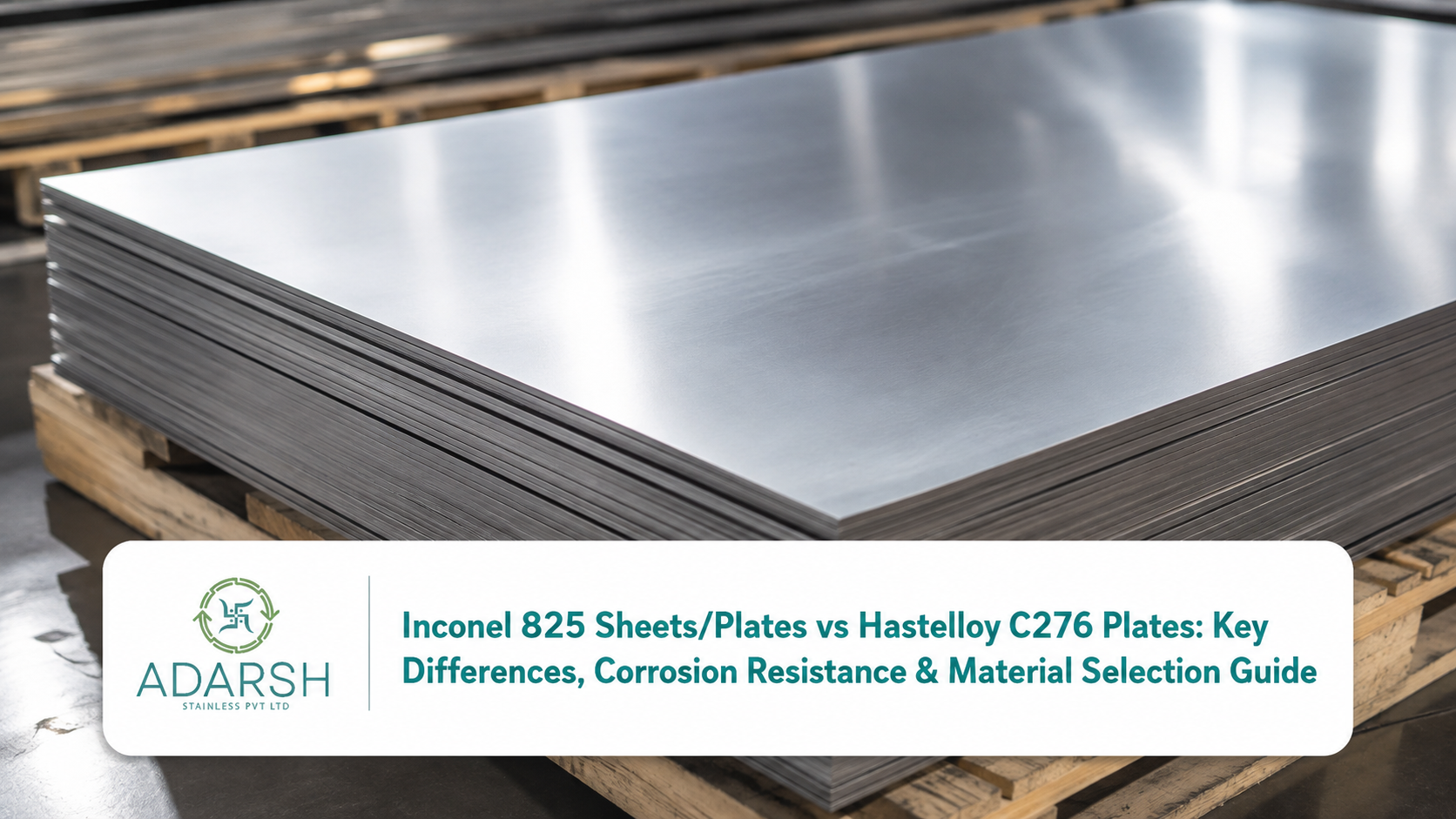
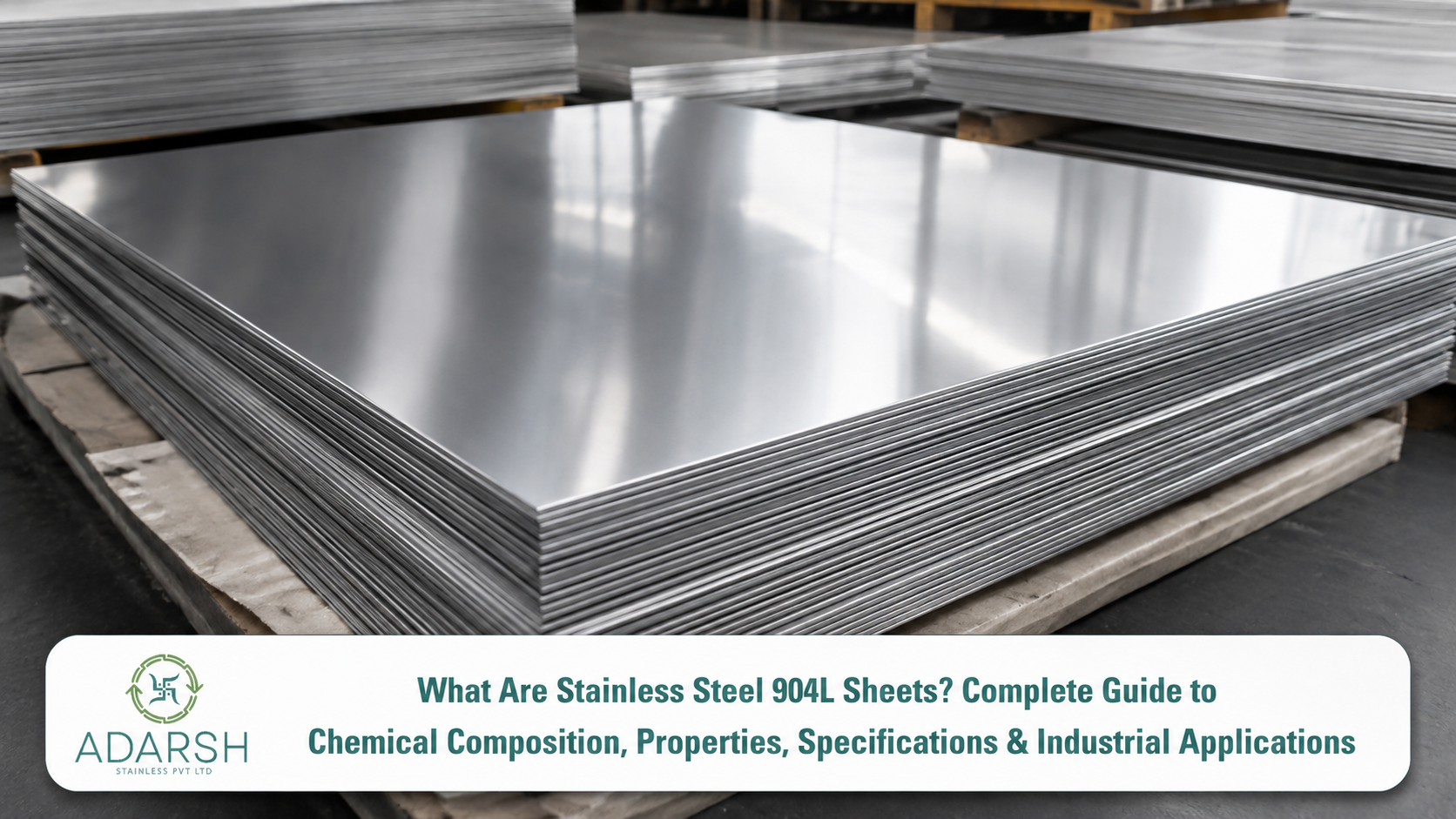
Duplex Steel S32205 plates are flat-rolled products built from a two-phase alloy: roughly 50% austenite and 50% ferrite in one solution-annealed microstructure. Chromium runs 22 to 23%, nickel 4.5 to 6.5%, and molybdenum 3 to 3.5%, with nitrogen held at a minimum of 0.14% to keep the phase balance stable after welding.
The grade carries the UNS designation S32205 (formerly S31803) and European number 1.4462. Buyers shorten all of that to Duplex 2205, a name that appears on almost every mill certificate in the industry.
Fabricators use the plate form for pressure vessels, tanks, and structural members that need strength and chloride resistance without the cost of nickel-heavy super-austenitic grades.
Key Properties of Duplex S32205 Plates
Duplex S32205 plates carry six properties that drive purchasing decisions: high strength, corrosion resistance, chloride SCC resistance, weldability, long service life, and cost efficiency relative to performance.
Yield strength runs a minimum of 450 MPa (65 ksi), more than double the 205 MPa minimum for 304 or 316L. Tensile strength has a minimum of 620 MPa (90 ksi), with 25% minimum elongation, so strength doesn’t come at the expense of ductility.
A Pitting Resistance Equivalent Number (PREN) near 35, against 24 to 26 for 316L, drives the corrosion resistance. The duplex structure also interrupts chloride stress corrosion cracks at the ferrite austenite phase boundaries, where austenitic grades typically fail first.
Weldability stays good with standard GTAW and SMAW procedures, provided heat input is controlled to protect the weld-zone phase balance. That combination extends service life well past austenitic alternatives.
| Property | Benefit |
|---|---|
| High Strength | Supports heavy-duty applications |
| Corrosion Resistance | Longer equipment life |
| Stress Corrosion Resistance | Suitable for chloride environments |
| Good Weldability | Easier fabrication |
| High Toughness | Reliable under pressure |
Benefits of Using Duplex S32205 Plates
Lower maintenance expenses follow directly from corrosion resistance: fewer component replacements, fewer inspection shutdowns, and less spend on protective coatings.
Lifecycle performance improves too. A vessel built from S32205 typically outlasts a 316L equivalent by a wide margin in chloride service, changing total cost of ownership even where the material price runs higher upfront.
Strength-to-weight ratio is where duplex pulls ahead. Since yield strength roughly doubles, engineers can cut wall thickness by 30 to 50% on many pressure-retaining components while still meeting design margins, reducing both material weight and structural load on offshore projects.
Thinner sections also cut welding time and filler consumption. Combined with reliable seawater and high-chloride performance, these five benefits explain why duplex specification keeps growing across heavy industry.
Common Industrial Uses of Duplex S32205 Plates
Six industries generate the most demand: chemical processing, oil and gas, marine and offshore construction, heat exchangers and pressure vessels, desalination, and pulp and paper.
Chemical Processing Equipment
Chemical plants fabricate tanks, reactors, and piping spools from S32205 wherever process streams carry chlorides, sulphates, or mixed acids that would pit 316L.
Oil & Gas Industry
Separator vessels, wellhead components, and topside structures rely on duplex plate where produced water and seawater exposure remain constant, with the added strength reducing the required wall thickness.
Marine and Offshore Structures
Marine fabricators use the plate for hull reinforcement and splash-zone structural members, where chloride SCC resistance matters most under continuous seawater spray.
Heat Exchangers and Pressure Vessels
S32205 serves as tube sheets, shells, and baffles handling process fluid with chloride levels beyond what 316L tolerates, at a thinner shell profile for the same pressure rating.
Desalination Plants
Concentrated seawater brine runs continuously through desalination evaporators and piping. Duplex plate handles that exposure in both thermal (MSF) and reverse osmosis systems.
Pulp and Paper Industry
Bleaching sections and digesters expose steel to chloride-based bleaching agents that pit standard grades quickly; duplex plate holds up through repeated exposure cycles.
Why Duplex S32205 Plates Perform Well in Corrosive Environments
Chromium, molybdenum, and nitrogen rebuild the passive oxide layer faster than chlorides can break it down, giving S32205 its pitting resistance and a PREN near 35.
Crevice corrosion follows the same mechanism but concentrates inside gaskets and flange faces where oxygen depletes locally; the same alloying elements slow attack there too. Chloride resistance holds because the ferrite phase carries more chromium and molybdenum compared to austenite phase, raising the threshold before chlorides penetrate.
Stress corrosion cracks that start in the austenite phase run into ferrite grain boundaries and stop. In flowing seawater and aggressive chemical streams, these mechanisms keep S32205 performing for decades.
Duplex S32205 Plates vs Conventional Stainless Steel
Buyers weighing S32205 duplex plate against SS 316 are weighing upfront costs against lifecycle costs. SS 316 costs less per kilogram and stays the simpler choice for freshwater or mild chemical service.
Once chloride content or mechanical load rises, the duplex plate closes that gap. Thinner sections and fewer replacements offset its material price, which is 1.5 to 2.5 times higher, over the service life of most equipment.
| Feature | Duplex S32205 | SS 316 |
|---|---|---|
| Strength | Higher | Moderate |
| Corrosion Resistance | Excellent | Good |
| SCC Resistance | Excellent | Limited |
| Weight Saving | Yes | No |
| Typical Applications | Heavy-duty industries | General industrial use |
Factors to Consider Before Selecting Duplex S32205 Plates
Service environment comes first. Match chloride concentration, pH, and flow condition to the plate’s tested range.
Operating temperature caps out around 300°C for continuous service; sustained exposure above that risks ferrite-phase embrittlement. Corrosion exposure above roughly 25 to 30°C in stagnant or creviced seawater can exceed what standard duplex resists, and then super duplex or 6% molybdenum grades take over.
Mechanical loading benefits from the higher yield strength, but weld-zone properties still need verification against base metal. Fabrication needs include controlled welding methods and qualified filler metal. Before accepting delivery, make sure the mill is certified (3.1 or 3.2) and that there are third-party inspection reports.
Industries That Benefit Most from Duplex S32205 Plates
Chemical Processing: Plants running mixed acid or chloride-bearing streams cut vessel replacement frequency and coating budgets by switching from 316L on the most aggressive lines.
Petrochemical: Refineries get mechanical strength and sour-service chloride resistance together, reducing shutdown frequency for corrosion inspection.
Offshore Platforms: Weight matters directly on offshore structures, and duplex plate’s higher strength permits thinner structural members without cutting safety margins.
Marine Engineering: Vessels in continuous seawater exposure get chloride resistance and structural strength in one material, cutting the need for separate coating systems.
Power Generation: Flue gas desulphurisation units and cooling water systems expose stainless parts to chloride daily; duplex plates require fewer scheduled replacements than 316L.
Water Treatment: Plants handling brackish or brine streams, especially reverse osmosis and brine concentration stages, get extended equipment life from duplex tanking and piping.
Conclusion
Duplex S32205 plates deliver yield strength close to double standard austenitic grades, a PREN near 35, and resistance to pitting, crevice attack, and chloride SCC in one product. That combination is why chemical processing, oil and gas, marine, desalination, and power projects specify this grade over 316L once chloride exposure or mechanical load increases.
For heavy-duty, chloride-heavy service, the higher material cost pays back through fewer replacements and longer intervals between shutdowns. Review the Duplex Steel S32205 Sheets, Plates page for available sizes, thicknesses, and mill certification details before placing an order.