Introduction
Aluminium Sheet has become one of the most widely specified materials in modern construction and the 8×4 size sits at the centre of that demand. Its lightweight nature, corrosion resistance, and ease of fabrication make it practical across a wide range of building applications. Projects require materials that can reduce the structural stress without losing durability, increasing demand. Aluminium Sheet Price, like most commodity-linked products, change with raw material markets, alloy grade, and order volume, so buyers should understand cost drivers before buying.
What is an 8×4 Aluminium Sheet?
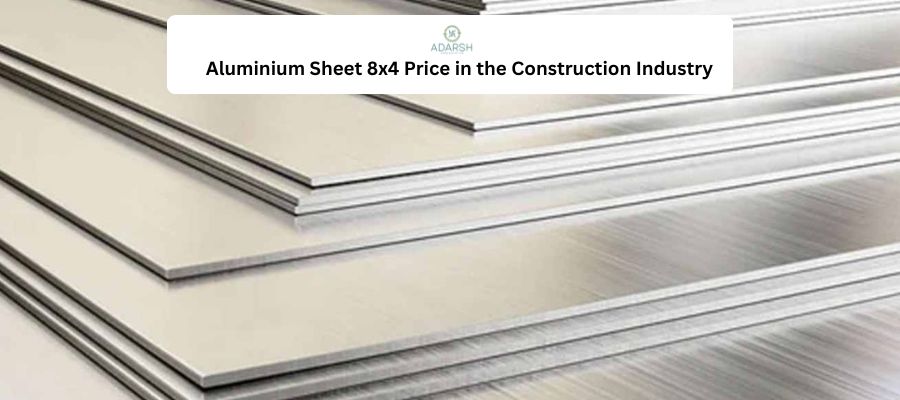
The 8×4 designation refers to a sheet measuring 8 feet by 4 feet the standard construction format used across cladding, roofing, partitioning, and interior fit-out. Thickness varies by application, with lighter gauges for interior panelling and heavier gauges for structural cladding and roofing. The standard format reduces cutting waste on site and simplifies installation, which is why it’s remained the default format across the industry.
Aluminium Sheet Price in the Construction Industry
Aluminium Sheet Price moves with the underlying commodity market, fabrication costs, and regional supply conditions. Pricing is typically structured on a per-kilogram basis, so total project cost depends heavily on thickness, grade, and order volume. Buyers often track the latest aluminium sheet price per kg today to build accurate project budgets and avoid cost overruns when markets shift mid-project.
Factors Affecting Aluminium Sheet 8×4 Price
The following are some major factors that affect the Aluminium Sheet 8×4 market prices.
Raw Material Cost
Aluminium pricing follows the global commodity market. Demand fluctuations, energy costs, and supply chain disruptions all feed into base material cost, and when raw prices rise, sheet prices follow.
Thickness and Size
Thick sheets weigh more and they require more material per unit. Because price is decided on the basis of weight, a heavier gauge sheet will cost more. Specifying only the thickness that your application requires is an easy method to cut costs.
Alloy Grade
Different construction applications call for different alloy grades, each with its own strength, corrosion resistance, and formability profile. Buyers wanting technical details can reference aluminium alloy 19000 sheet specification and properties for guidance on grade selection in construction.
Surface Finish and Processing
The mill finish sheets are a less expensive choice. Anodised, coated or polished finishes cost more in processing but increase the aesthetics and surface protection and are especially significant for external applications exposed to the weather.
Quantity and Bulk Orders
Bulk purchasing consistently delivers a lower cost per unit. Procurement teams handling large projects should request volume pricing from their supplier at the outset rather than ordering in smaller increments.
How to Calculate Aluminium Sheet Price
Accurate cost estimation starts with knowing the weight of the sheet. Weight is calculated from dimensions and thickness using the material’s density. Getting this right early prevents budget surprises, particularly on projects with large surface areas. A useful starting point is How to Calculate Aluminium Sheet Weight, which helps buyers compare supplier quotes on a like-for-like basis and build more reliable project estimates.
Industrial Applications Of Aluminium Sheets
Aluminium sheet in the 8×4 format are used across exterior cladding, roofing systems, wall panels, partitions, and interior false ceilings. Each application benefits from a different combination of thickness and surface finish, but the material’s core advantages, lightweight, corrosion-resistant, and easily fabricated, remain consistent across all of them.
Benefits of Using Aluminium Sheets in Construction
Aluminium is light without being weak. It reduces the structural load, makes it easy to handle on-site, and installs faster than heavier alternatives. It is weather-resistant to rain, humidity and air exposure without ongoing surface treatment. It is easy to cut, shape and fix – decreasing fabrication time and labour costs. The price of the aluminium sheet may be higher in comparison to the alternatives, but it is cost-effective in the entire life of a structure due to low maintenance and extended durability.
Tips to Choose the Right Aluminium Sheet
To get the best value, select the specific thickness and grade your project actually requires. Over-specifying might seem safer, but it often adds unnecessary costs without providing any real-world boost to your performance.
Make sure you check the credentials of your source and request formal certification of the content before proceeding. To help you better grasp current market trends and to make an educated selection, you can compare the Aluminium Sheet Price per kg from different respected sources. Remember to take into account the particular needs of your project, whether it’s fire ratings, surface finishes or structural loads, so that the material you select is actually appropriate for its end use.
Conclusion
Aluminium Sheet 8×4, the purchase price also depends on the market trends, features of the product and order volume. Analysing these aspects ensures the correct budgeting and operational efficiency for your organisation. Figure weights early; get the best grade and work with a reputable distributor. Contact Adarsh Stainless to discuss your project requirements and obtain a competitive quote. We support your supply chain with high-quality supplies and transparent pricing.